
Book Review - Eat to Climb
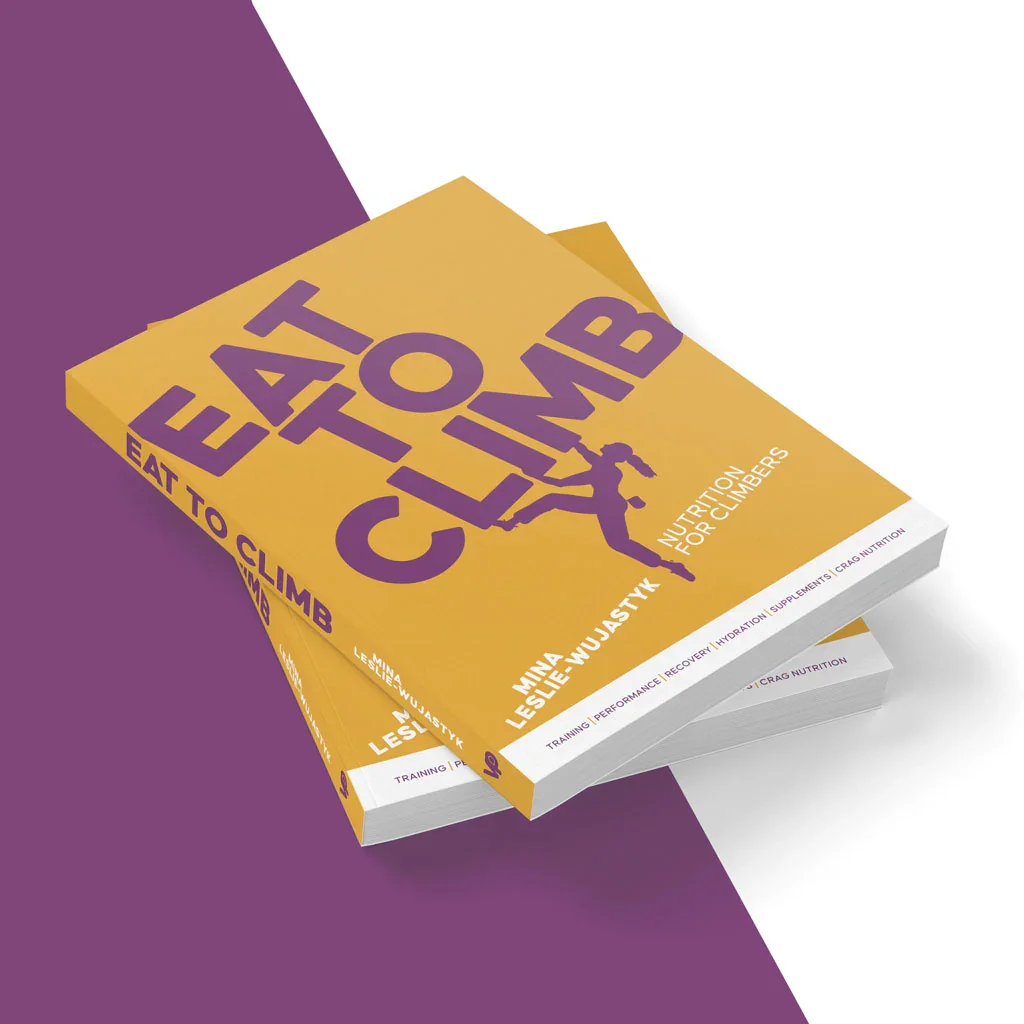
Eat to Climb is an accessible, evidence-based guide to nutrition, tailored specifically for climbers. I’d recommend it to a wide range of readers – from weekend warriors trying to maximise their training gains, coaches seeking robust, practical advice to give to clients and athletes looking for marginal gains or exploring manipulating their body composition. Most importantly, I’d feel comfortable giving this book to someone I was concerned about in terms of their eating habits or emotional well-being. It could serve as a useful, sensitive tool to help someone on their journey with disordered eating or relative energy deficiency in sports (RED-S).
Mina Leslie-Wujastyk brings a remarkable blend of academic and athletic credibility. She holds a degree in physiotherapy, is a certified nutritionist, did a further two years of postgraduate sports nutrition studies under the International Olympic Committee, is qualified as an intuitive eating counsellor and has published research in the Journal of Science in Sport and Exercise. On top of that, she’s an elite climber – having competed at world level, climbed up to 8c on sport routes, and bouldered 8b+ – and is a mother of two. Unsurprisingly, the book feels both current and grounded in lived experience.

It was an enjoyable read and, despite its educational nature, Eat to Climb felt conversational and personal. The book is interspersed with insightful, relatable accounts from top climbers from different walks of life. Structurally, the book is divided into two main sections – Principles and Methods. This resonates as a wonderfully positive format for learning – promoting autonomy in readers with understanding rather than providing a set of rules, then supporting them putting that understanding into practice with practical suggestions and a solid starting point.
I would recommend reading the book cover to cover before using it as a reference tool. It offers a logical and comprehensive exploration of the bigger picture of nutrition, easily digestible for those who have never considered optimising nutrition and is not patronising for those of us who have spent a great deal of time analysing research papers, experimenting with different approaches and trialling supplements. I was surprised to find the basics the most valuable section for me – it’s easy to get pulled into the weeds with these sorts of topics and having the principles and nuances of the macro-nutrients of your diet (e.g. protein, carbs and fat) broken down was extremely helpful.
A major strength of the book is how it navigates the central tension in climbing: it’s a strength to weight dependent sport. Mina addresses this with care and insight, critically examining both sides of the equation throughout the book. How can your nutrition optimise strength gains? Can you use nutrition to optimise weight in a safe, healthy and sustainable way?
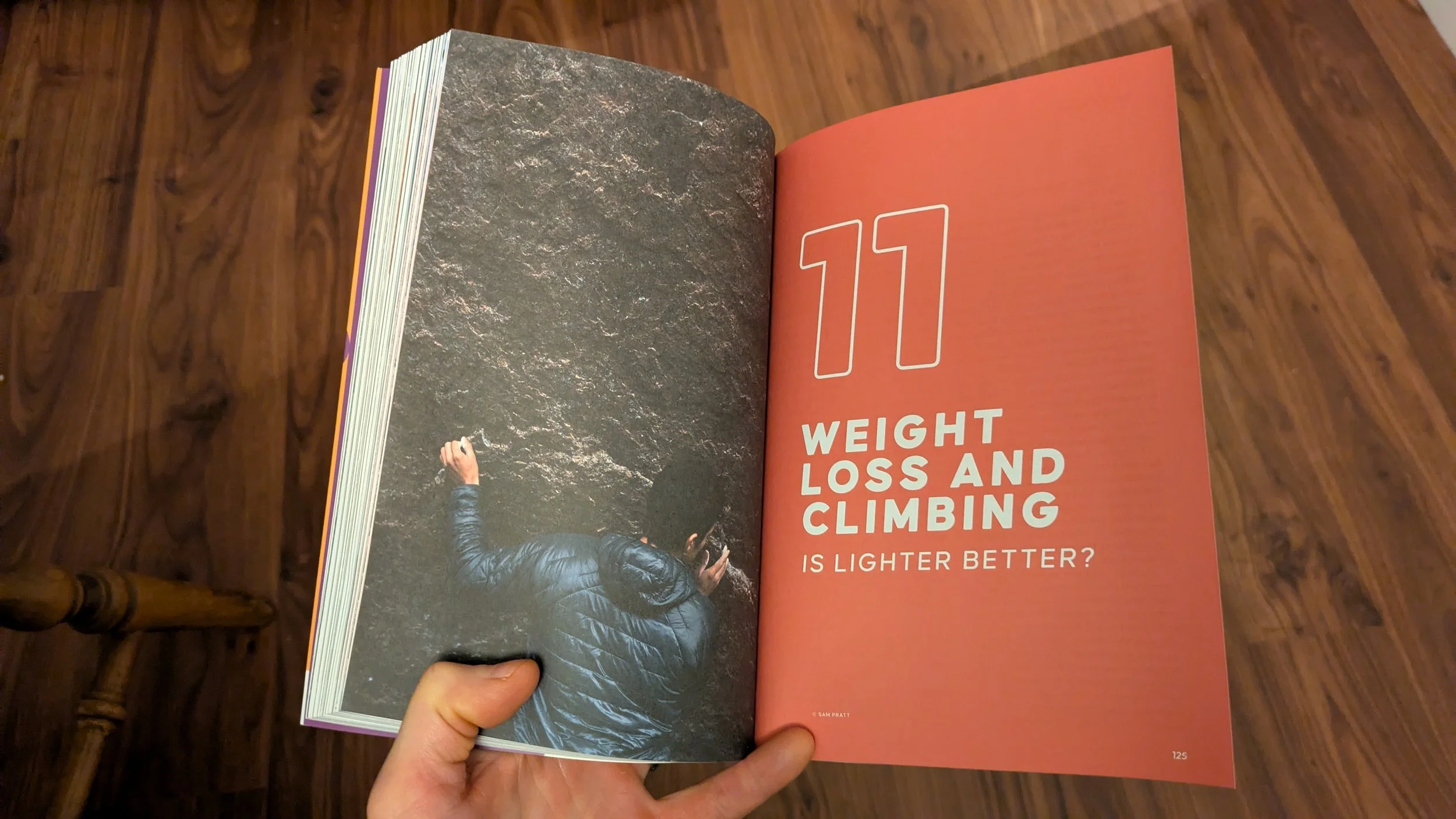
In short, this book is practical, compassionate, and scientifically robust. Whether you’re looking to enhance performance, support your clients or peers, or deepen your understanding of nutrition in the context of climbing, Eat to Climb is an excellent place to start.
If you’d like to buy it visit Adventure Books.